From KYC to eKYC: Ghana’s Digital Identity Push Gains Momentum at ID4Africa 2026
At the 2026 ID4Africa Conference in Abidjan, Ghana’s progress in digital identity and financial inclusion drew significant attention as stakeholders across the continent examined how to build stronger trust systems in an increasingly real-time digital economy.
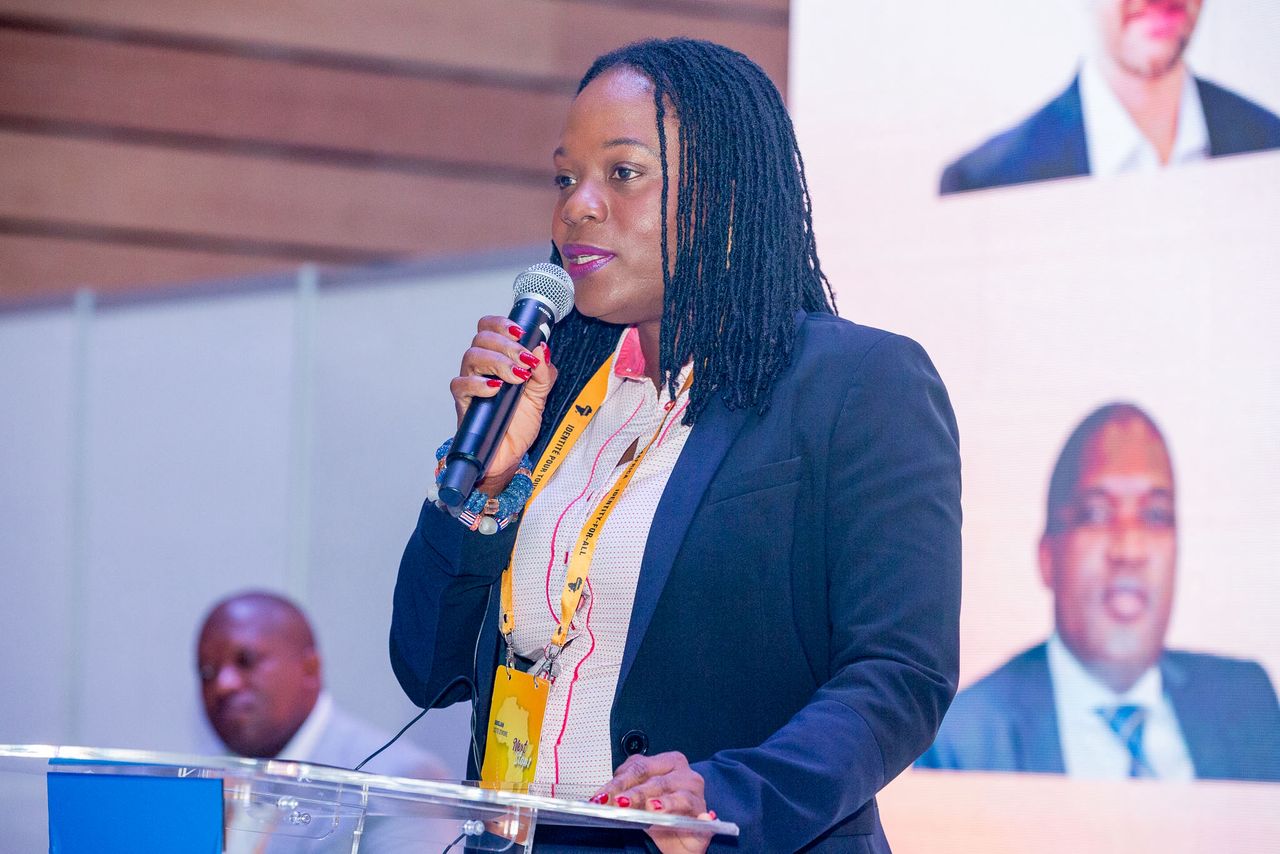
Speaking at the conference, which brought together key dignitaries including the Vice President of Côte d’Ivoire, Tiémoko Meyliet Koné, sector ministers, country representatives, cybersecurity experts, and delegates from across Africa and beyond, Eunice Amewu Nyadu, Chief Finance Officer of GhIPSS, outlined Ghana’s ongoing shift from traditional Know Your Customer (KYC) processes to a more advanced electronic Know Your Customer (eKYC) framework that is redefining identity verification within financial services and the broader digital ecosystem.
She explained that this transformation is anchored on the Ghana Card, which has become the backbone of Ghana’s digital identity ecosystem. According to her, the Ghana Card is enabling faster, safer, and more efficient onboarding into financial services while significantly expanding access to formal financial systems, particularly for individuals who were previously underserved or excluded.
A key message from her remarks was that the concept of identity verification must evolve to match the pace of digital transactions. She stressed that in a financial environment increasingly driven by instant payments, one-time verification at onboarding is no longer sufficient. Instead, identity must be continuously validated through biometric authentication and real-time checks embedded throughout the transaction lifecycle, ensuring that trust is not static but constantly reinforced at every interaction.
“eKYC should not be viewed simply as a regulatory requirement but as a critical foundation for Africa’s digital economy,” Eunice underscored. “By strengthening trust in digital systems, eKYC helps reduce fraud, enhances the integrity of financial ecosystems, and supports broader financial inclusion by making participation in digital services more secure and accessible.”
Ghana’s progress in this space is closely linked to its wider financial inclusion agenda, including government-led initiatives such as the Livelihood Empowerment Against Poverty (LEAP) Programme, where secure identification and reliable payment delivery remain essential. Within this ecosystem, GhIPSS, continues to play a central role as the country’s financial interoperability infrastructure provider, enabling secure, real-time, and interoperable payments across the financial sector while supporting the development of trusted digital systems.
GhIPSS’ participation at ID4Africa 2026 also reflected a broader institutional commitment to advancing conversations around digital trust, cybersecurity, fraud prevention, and payments innovation. Supporting the delegation were Senior Systems Engineer, Richard Owusu, Head of Fraud, Elvis Amonoo, and Brand and Marketing Communications Lead, Churchill Winston Amenyedor, whose presence further underscored GhIPSS’ multidisciplinary role in shaping Ghana’s digital payments and identity ecosystem.