

© 2026 Ghana Interbank Payment and Settlement Systems Limited



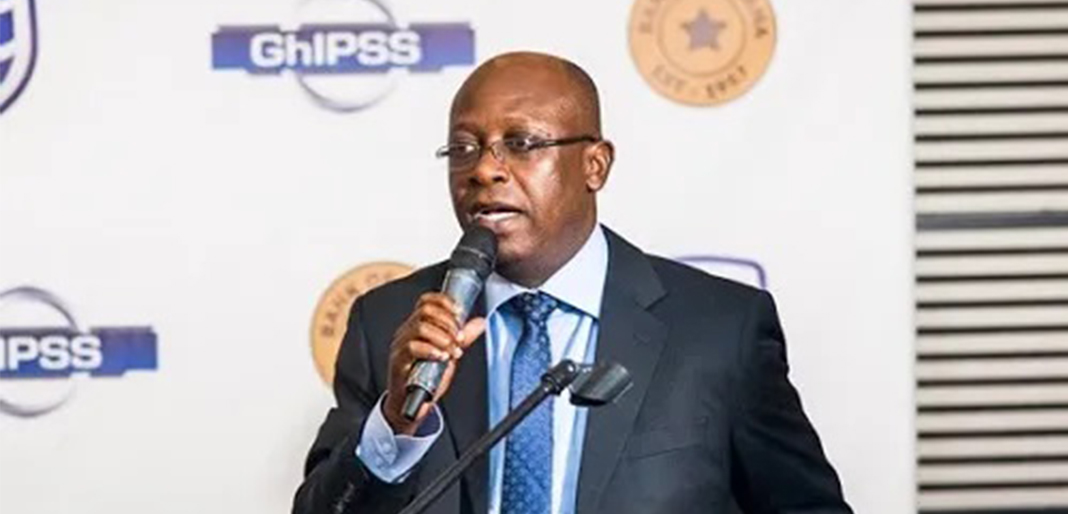
Mr. Hesse explained that the rationale behind the introduction of GhQR and other similar electronic payment channels was to enable the public to make payment easily, conveniently and at less cost. He said with the GhQR and the other electronic payment channels, regular visits to banking halls had become unnecessary.
“There is no point now to take a car to go to a banking hall and join long queues, when you can perform all those transactions remotely”.
The GhIPSS boss said payment options such as Mobile Money, mobile banking apps, internet banking and GhQR have made life a lot easy and urged the public to patronize them instead of spending precious time in banking halls for transactions that can be easily done on the phone or on their computers, ” he said. Over 48, 000 different outlets including shops, restaurants, and other service providers offer GhQR, suggesting that the service is relatively easy to access especially in Accra and Kumasi.
While urging more business outlets to deplore the GhQR, Mr Hesse also encouraged the public to use it to make payments. “The more we use GhQR to make payments, the more merchants will be encouraged to deplore it at their outlets, but if we don’t use it, there will be less motivation for them to do so,” he added. Ghana has seen gradual improvement in the use of electronic payment channels.
Although people continue to cash out money from their Mobile Money wallets, more people make payments from their MoMo wallets than previously. It is also apparent that a lot more people shop and pay with their cards than it used to be some years ago. Mr Hesse said the changing payment lifestyle was encouraging but said more could be done. He therefore urged the public to also regularly use the GhQR whenever they come across it.
Stay ahead in a rapidly world. Subscribe to Prysm Insights,our monthly look at the critical issues facing global business.